Pretrial and probation officers carry one of the most demanding roles in the justice system. They supervise dozens, sometimes hundreds, of individuals at once, tracking court dates, treatment requirements, employment, and housing across more cases than any one person can reasonably hold. Many of these individuals are on GPS monitoring which generate alerts for every potential violation. Every alert demands a response. Every report adds to the pile.
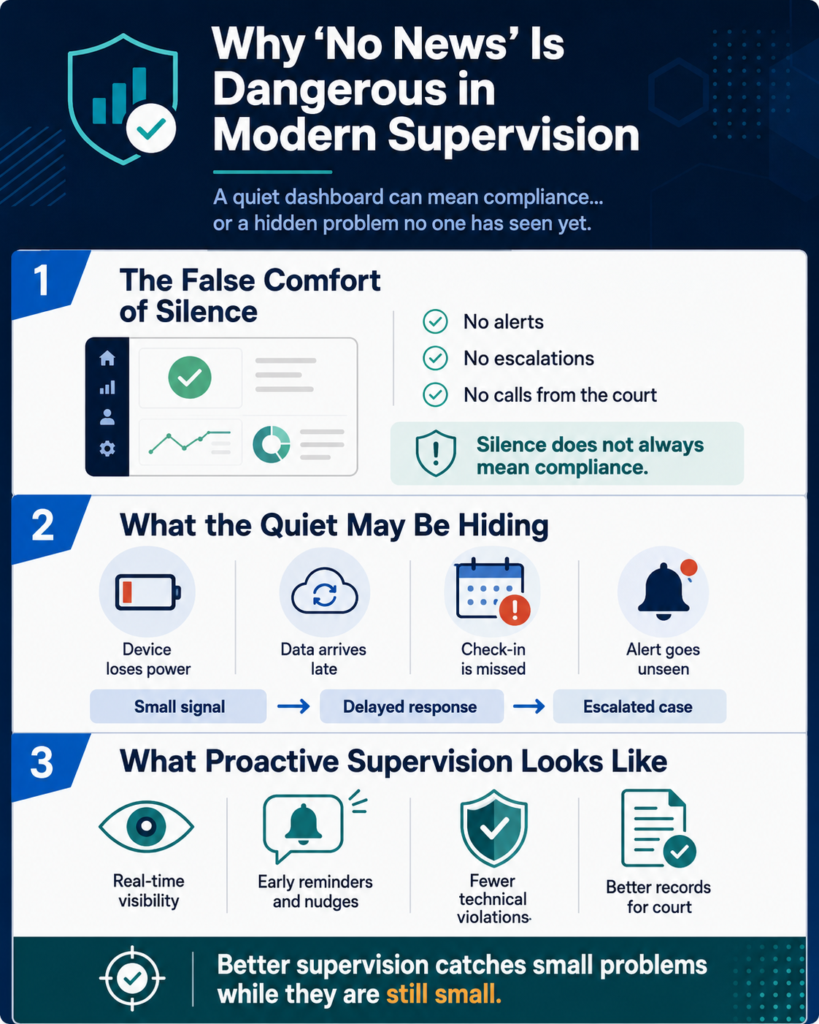
So a quiet day can feel like a relief. When the dashboard shows no alerts, no escalations, and no calls from the court about a missed appearance, the natural reading is that everyone is compliant, and attention can move to the next urgent task.
This "no news is good news" mindset is one of the most natural beliefs in community supervision because it aligns with how the work feels day to day. But officers did not enter this profession to watch a screen; they want to manage real risk, support real people, and keep the community safe.
Unfortunately, a quiet caseload can hide real risk and is where unidentified risks and failures tend to start.
When the system goes quiet, it may simply mean the system has not surfaced new actionable information yet. It does not mean anyone has confirmed that a program member is compliant.
Older tools were built to report problems after they happen, often in batches, sometimes hours later. A location ping arrives with a delay. A check-in gets logged overnight. A report lands on a judge's desk with last week's information. The data is technically available, but by the time it surfaces, the window to act on it has usually closed.
When the dashboard is quiet, it can mean one of two very different things.
OR
There is no way to tell which one from the dashboard alone, and that creates a problem. A reactive system can only confirm good news after the risk has already passed, and it stays silent on bad news until the problem has become far more difficult to address. A calm Friday afternoon may reflect a caseload that is truly under control, or it may reflect a caseload no one has real visibility into.
This real-time gap creates risk and additional work. Specifically, the worst kind of work: the kind that arrives all at once, late, and on someone else's timeline.
Consider a clearly hypothetical example.
A pretrial program supervises 1,200 individuals using a legacy tool with delayed location review and missed check-ins that are not reviewed until the next business day.
For most of the month, the dashboard is quiet, but then a program member stops charging their device on a Thursday night. Under the old model, nobody sees a problem until the next scheduled data sync. By the time an officer notices the gap, calls go unanswered, twelve hours have passed, and a routine lapse has quietly become an absconder case, with a court date now at risk.
Nothing in that story looks like a failure on Thursday. The dashboard was green. The inbox was empty. "No news" held right up until it became the only news, and by then the cost had multiplied: an emergency search, a possible warrant request, a weaker record for the court to rely on, and hours of officer time spent reacting to something that started as a five-minute fix.
That's the pattern legacy monitoring repeats over and over. Small, catchable signals go unnoticed, then resurface as crises. Officers remain permanently reactive, courts lose confidence in the reports in front of them, and the people under supervision are set up to fail over a lapse that no one helped them correct in time.
A missed or failure to charge becomes an absconder case. A late check-in becomes a technical violation. A data delay becomes a courtroom liability. None of it had to.
Louder, more frequent alerts only add to the noise and officers become complacent and make assumptions of a “no violation” based on repetitive alerts. Instead, a system becomes more trustworthy by catching small problems while they are still small.
Better supervision is proactive. It surfaces low-stakes signals, such as a device losing charge, a participant straying near a geographic boundary, or a check-in about to be missed, early enough that a quick nudge can still resolve them.
It gives the program member a chance to self correct before a technical violation is ever on the table. It also gives the officer back valuable time for judgment and for the relationships that actually change outcomes.
Better supervision also produces data that a court can stand behind. When a judge asks whether someone has been compliant, the agency should be able to show a clear, current, and defensible record of what actually happened and patterns of noncompliance, available in real time rather than reconstructed after the fact.
The goal is straightforward: replace the false comfort of an empty inbox with real, current visibility, so that a quiet caseload reflects what the team actually knows rather than what it hopes.
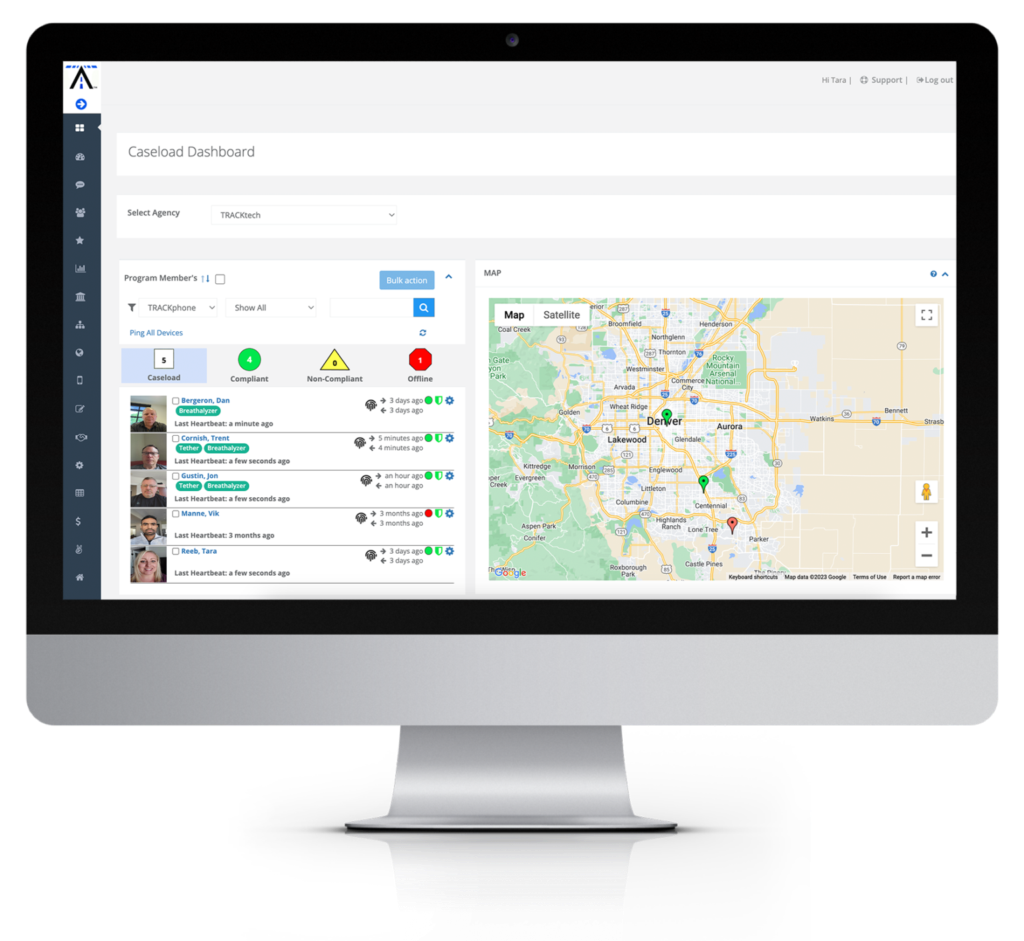
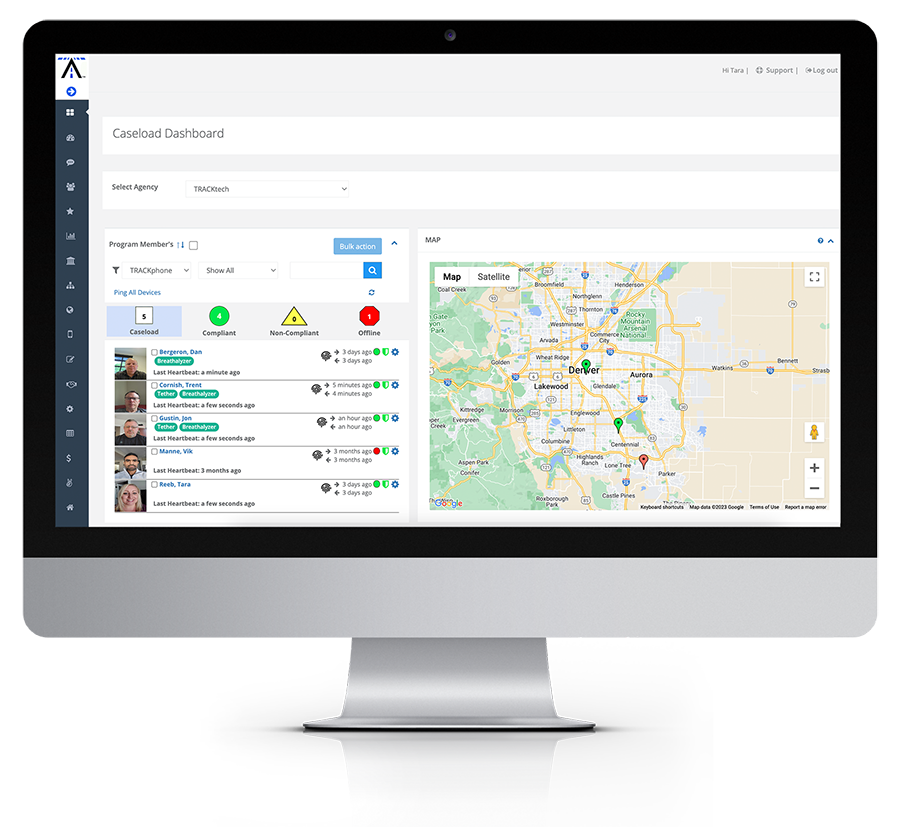
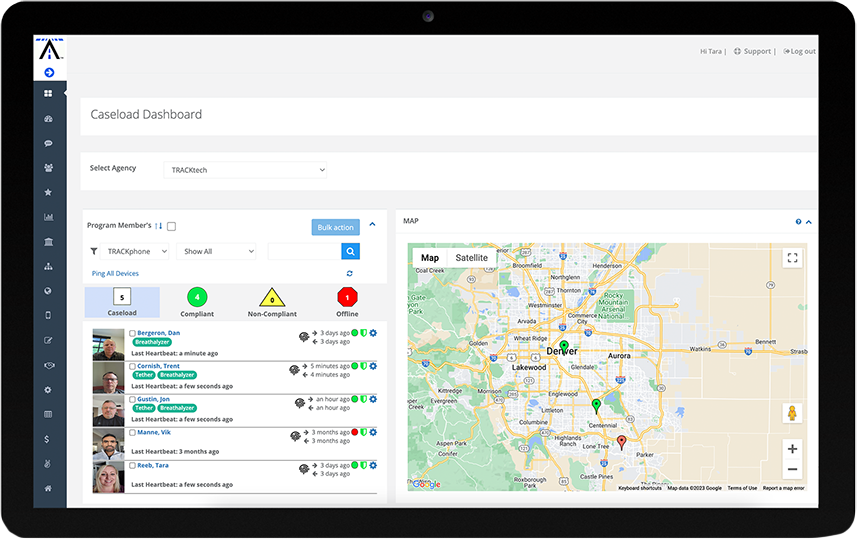
This is the problem TRACKcase™ was built to solve. It's the hub: a web-based case management system for pretrial and probation that pulls monitoring, communication, and compliance data into one real-time view, so a quiet dashboard carries weight because the data is live.
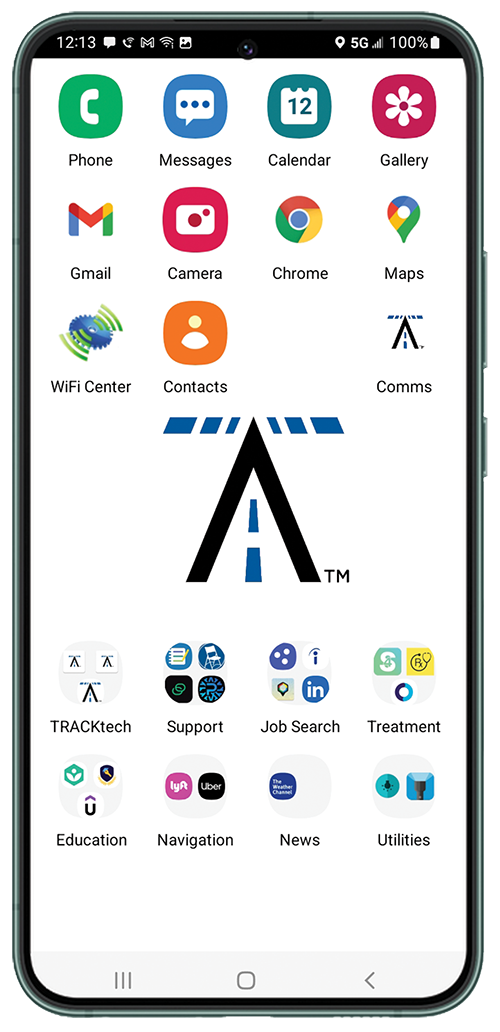
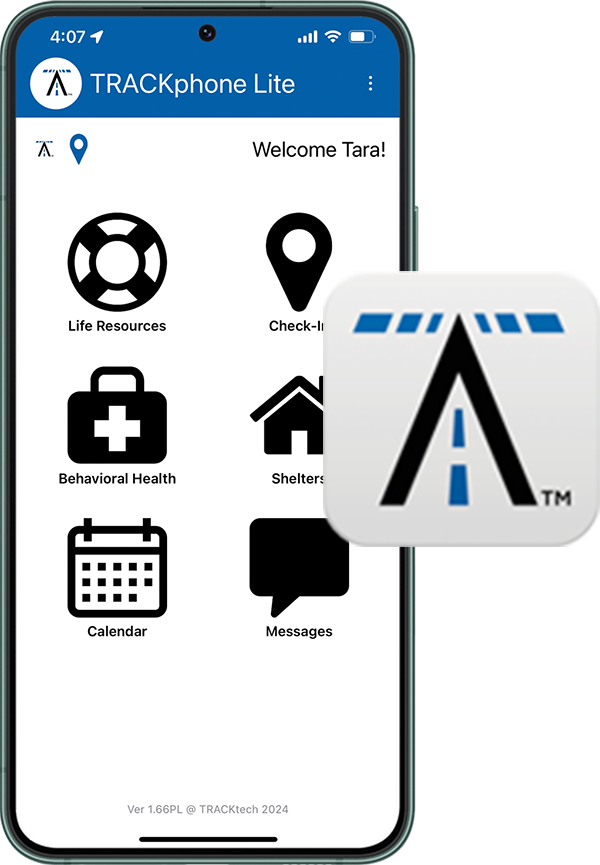
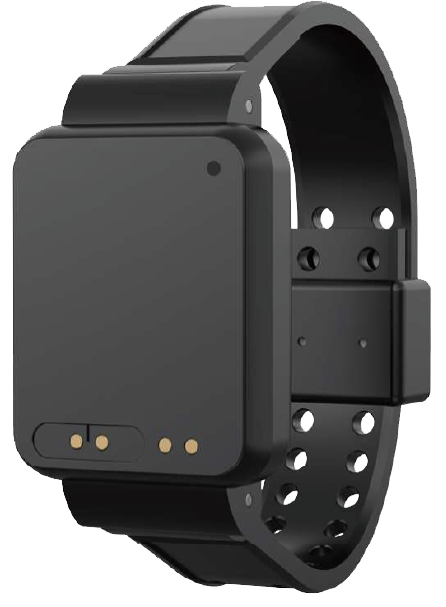
Around that hub is a connected ecosystem designed to close the real-time gap at every point:
Underneath it all, TRACKtech applies data analytics to behavioral data to help teams see patterns forming early, so the system flags drift while it is still correctable. The result is supervision that is quiet because it is genuinely under control, with a compliance record that holds up in front of a judge because it reflects what is happening today.
There's a worry worth naming directly: that real-time monitoring is just surveillance with a friendlier interface, and that accountability and support pull in opposite directions. In practice, they work together.
Detecting a problem early is a supportive move. A program member who gets a reminder before a missed appointment, or a nudge before crossing a boundary line, is being given a real chance to succeed. Current data protects the human element of this work by allowing officers to step in early before a situation escalates.
The technology exists to protect and inform the officer's judgment and the relationships they build. It clears away the administrative drag and the late-breaking crises that pull officers away from the work that actually changes outcomes.
That is what "do more with less" should actually mean: giving each officer enough visibility to manage a larger caseload proactively and defensibly without burning out the staff or the people they supervise.
If "no news is good news" has been quietly running your caseload, the most useful thing you can do is find out what that silence is hiding.
Let the TRACKtech pros walk through a no-pressure demo built around your real caseload and your current monitoring setup, focused on your actual workflows. You'll see where the real-time gaps are, what live visibility would change, and how the data would look from the bench. Furthermore, TRACKtech’s platform will greatly assist officers in identifying typical undetected risks, and help officers prioritize supervision strategies to include home visits and random drug tests. Most teams walk away with at least one workflow fix they can use right away, whether they choose to use TRACKtech or not.


TRACKtech LLC
6295 Greenwood Plaza Blvd, Ste 100
Greenwood Village, CO 80111