From the outside, ankle monitors can look like a simple alternative to incarceration. Who would not prefer a location monitor over a jail bed?
Inside the daily work of probation, pretrial, community corrections, and reentry supervision, the picture is more complicated.
Traditional ankle monitor centered workflows can create a hidden operational burden, more alerts to clear, more context to reconstruct, more device issues to manage, and the visible stigma for people trying to stabilize in the community.
The problem is relying on a monitor only workflow when officers need context, communication, documentation, and case history connected in one place.Monitor only supervision is creating more friction than many agencies realize.
What should a connected supervision workflow look like instead?
Traditional ankle monitors track a program member’s location and flag unusual activity.
Some alerts reflect genuine risk. Others are created by routine connectivity drops when a person is in a basement, parking garage, dense building, or area with weak GPS or cellular coverage. Those interruptions can trigger review even when the program member’s behavior has not changed.
A 2023 GAO review of federal pretrial monitoring found that GPS and cellular connection failures can generate alerts unrelated to actual noncompliance, and that courts often do not track how that monitoring workload lands on officers.
Clearing each alert takes time. Across a full caseload, that time can add up quickly and pull officers away from higher value work, check-ins, home visits, case planning, participant communication, and documentation.
The deeper cost is what repeated low value alerts do to judgment. Once most notifications turn out to be noise, the next alert is easier to treat the same way, even when it deserves a faster response.
A location ping can tell an officer where someone is. It does not always explain why they are there, whether the event matters, or what action should happen next.
Consider two alerts arriving back to back. One involves a program member approaching a restricted boundary. The other is tied to a routine signal interruption caused by poor coverage, a dense building, or a known dead zone.
Both events may demand the same initial officer attention even though only one reflects meaningful supervision risk. Without case history, communication history, location context, and prior patterns surfaced alongside the alert, officers spend valuable time reconstructing the story before deciding what actually needs action.
When location data, case history, messages, supervision requirements, and staff notes appear together, officers can separate routine noise from real risk faster and document the decision without chasing information across multiple systems.
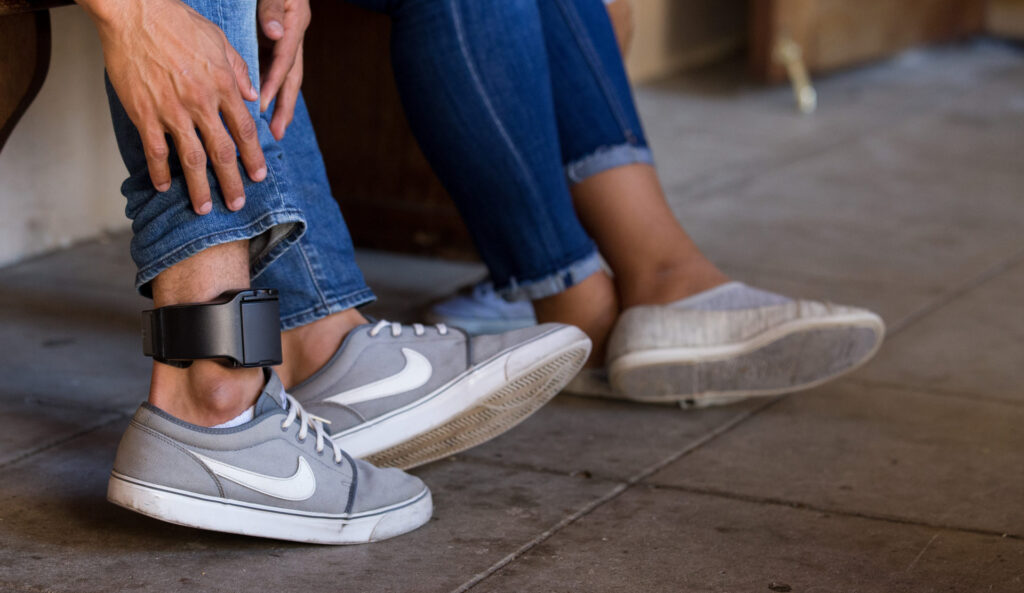
Visible ankle hardware can follow a person into every ordinary setting where reintegration is supposed to happen, a job site, classroom, treatment appointment, family dinner, or housing meeting.
That visibility can create stigma. Employers, landlords, instructors, and community members may make assumptions before they understand the person’s compliance record, supervision level, or progress.
For agencies working reentry caseloads, that matters. When a monitoring tool makes employment, housing, or daily life harder, the supervision strategy can unintentionally work against the outcome it is meant to support.
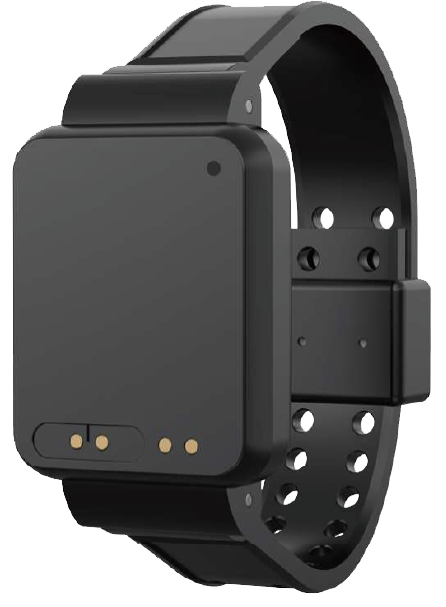
A discreet, lower visibility option changes the equation without removing accountability. TRACKtether provides a wrist-worn monitoring option with tamper technology that works as part of a connected supervision ecosystem rather than as a standalone device.
| Operational Need | Monitor-Only Workflow | TRACKtech Connected Workflow |
| Real Time Location visibility | Tracks location and alerts on exceptions. | Supports location visibility within a broader supervision workflow. |
| Tamper detection | Available on traditional devices. | Available through TRACKtether and connected monitoring options. |
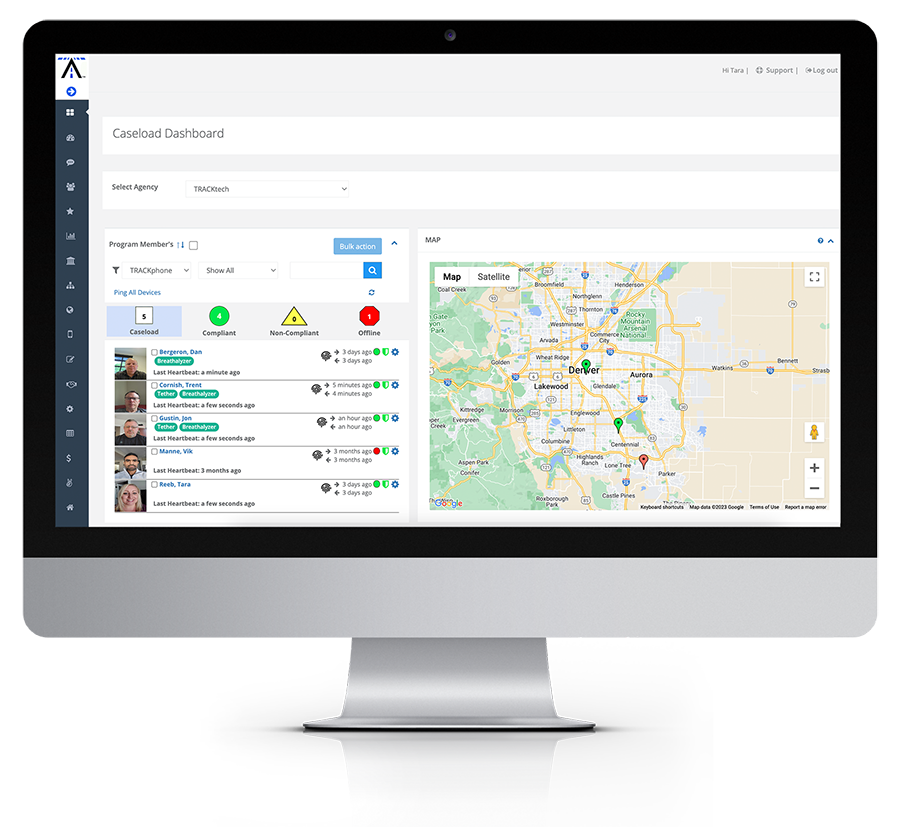
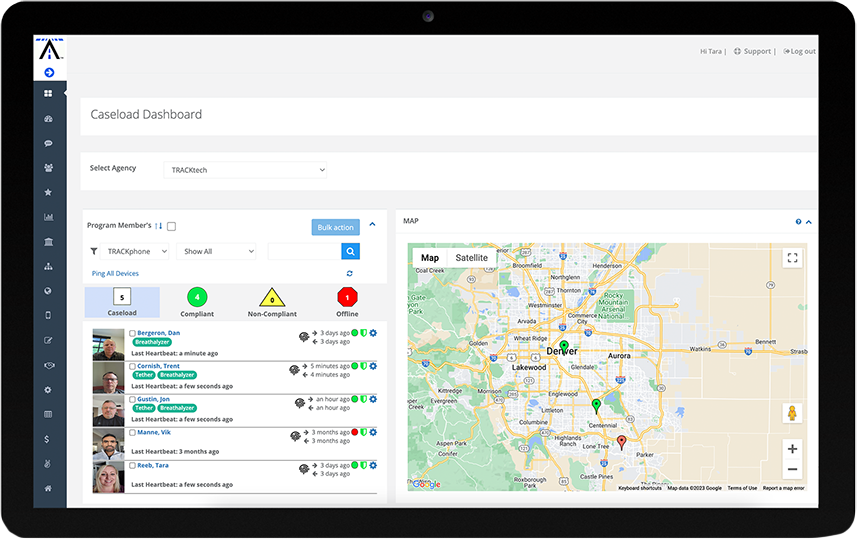
| Alert context | Often requires separate review of case notes, communication history, or prior behavior. | Surfaces location, case history, messaging, and supervision context in TRACKcase™. |
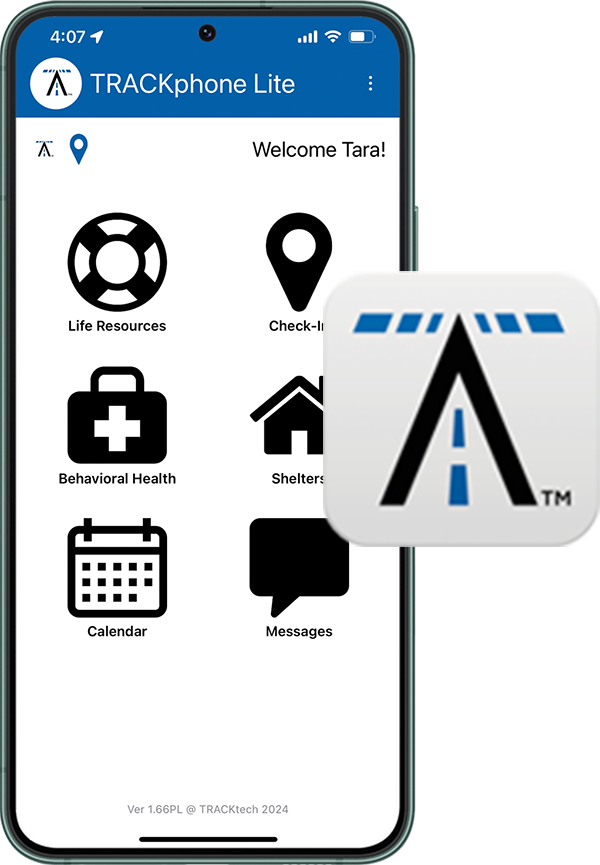
| Participant communication | Often handled through separate calls, texts, or external tools. | Supports direct communication, reminders, and guided check-ins through TRACKphone which can be documented |
| Identity verification | Usually not native to a standalone ankle device. | Supports biometric check-ins through connected mobile workflows. |
| Low visibility supervision | Traditional ankle devices are highly visible. | TRACKtether provides a discreet wrist worn option; TRACKphone Lite supports lower friction supervision for appropriate caseloads. |
| Reentry support | Often depends on manual officer follow-up and separate resource workflows. | Supports auto reminders, communication, check-ins, documentation, and engagement workflows. |
| Case management connection | Monitoring data may sit apart from case activity. | TRACKcase connects supervision activity, location data, communication, and documentation. |
| Reporting and review | Often requires reconstruction across systems. | Provides a more unified activity record for review and reporting. |
In a large supervision program, even a modest number of low value alerts can consume significant staff time. Each alert has to be opened, reviewed, compared against the case record, and either cleared, escalated, or documented.
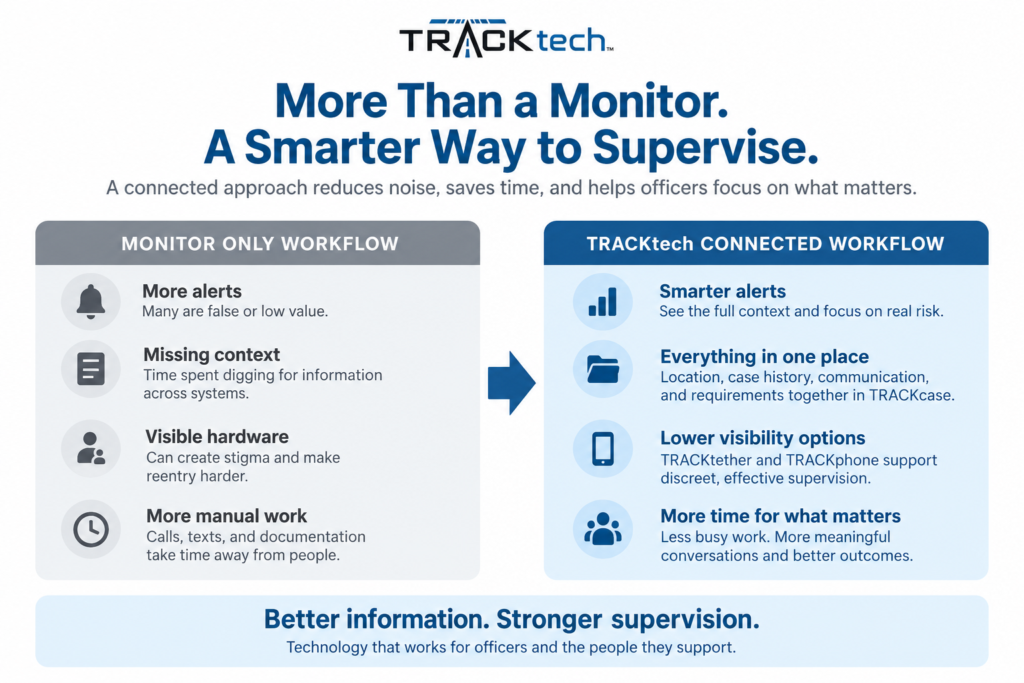
When that review happens across disconnected tools, the workload compounds quickly.
A connected platform reduces that burden by placing location data, participant history, communication records, supervision requirements, and case context in the same workflow. That gives officers a clearer view of what happened, what changed, and whether the event requires action.
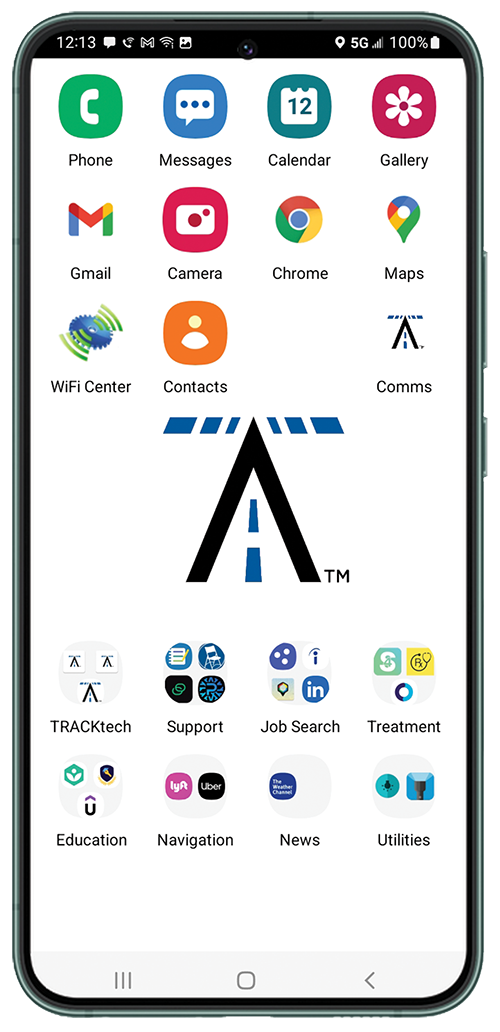
TRACKtether, paired with TRACKphone for communication and compliance reminders and TRACKcase as the supervision hub, is built around that idea. Location data, messaging, check-ins, and case history live in one place so staff spend less time reconciling systems and more time making the calls that require professional judgment.
For agencies trying to reduce unnecessary workload while preserving accountability, with the goal of obtaining better information the moment an officer needs to decide what to do next.
A connected approach gives officers better context, gives participants more timely reminders, and gives agencies a cleaner record of what happened.
Schedule a 30 minute workflow review with TRACKtech. We will walk through your current monitoring process, identify where alerts, communication, and case documentation may be creating unnecessary work, and show where a connected supervision model could help your team act faster with better information.
Most teams walk away with at least one workflow fix they can use immediately, whether or not they move forward with a platform change.


TRACKtech LLC
6295 Greenwood Plaza Blvd, Ste 100
Greenwood Village, CO 80111