Community supervision has always relied on relationships. Officers build trust through
conversation, consistency, and accountability. Programs succeed when people feel
seen, guided, and supported, not just monitored. Yet caseloads continue to grow,
resources are stretched thin, and administrative demands pull officers away from the
interactions that matter most.
Technology has entered this space with genuine promise and with genuine
disappointment. The difference between tools that help and tools that just add noise
comes down to one question: does this make the officer more effective, or just more
busy?
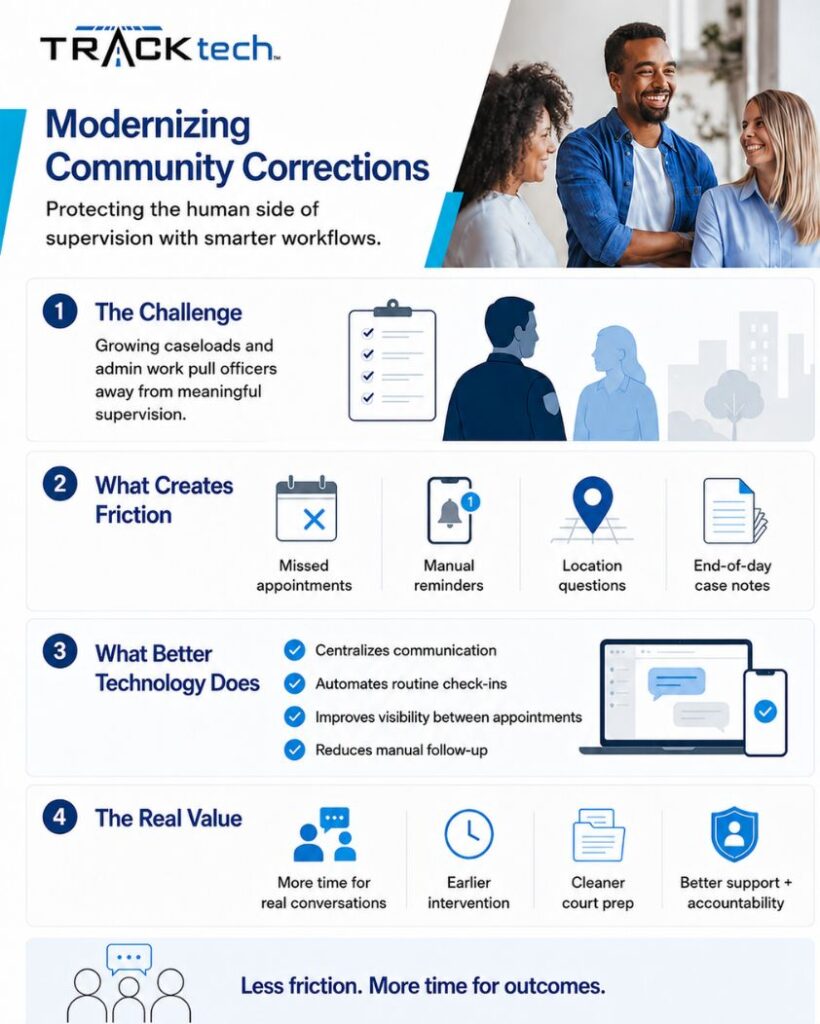
Community corrections does not break down because officers stop caring. It breaks
down when too much of the day gets eaten by things that should be easier.
A missed appointment becomes three follow-up calls. A routine reminder becomes
manual outreach. A location question becomes a field visit. A case note that should
have taken two minutes gets finished at the end of the day when everyone is already
running on fumes.
That is the real pressure point for most supervision teams. Not a lack of commitment,
not a lack of experience. Just too much friction packed into the daily workflow.
When friction takes over, the human part of the job is the first thing to get squeezed.
Conversations get shorter. Guidance gets thinner. Officers spend more time verifying,
documenting, and reacting, and less time doing the work that actually changes
outcomes: meaningful check-ins, early intervention, stronger accountability, and better
preparation for court.
Some tools generate more alerts, more dashboards, and more administrative motion.
They collect information but do not necessarily help staff act on it. They add another
system without reducing the actual workload. They promise visibility, then quietly create
more noise.
Without context, data creates noise. Officers need more than alerts. They need tools
that help them interpret behavior, communicate quickly, and guide individuals toward
better decisions. Technology should reduce manual follow-up, not multiply it.
Communication should run through one clear channel. Visibility should surface what
matters sooner, not bury staff in disconnected data.
This is what TRACKtech is built for.
A missed check-in is not always just a missed check-in. Sometimes it is confusion. Sometimes it is instability. Sometimes it is the first sign that someone is sliding off course. If the system only delivers an alert without context or an easy path to respond,
staff still lose time and the situation still gets harder.
A stronger workflow changes that. When communication is centralized, officers spend
less time chasing people across fragmented channels. When reminders and check-ins
are structured, fewer routine tasks fall back onto manual staff effort. When case activity
and documentation are easier to manage, court prep gets cleaner and less rushed.
When visibility improves between appointments, staff can intervene sooner, before
problems have already grown.
The value is not more efficient monitoring. It is reclaimed supervision time. More time for a real conversation instead of a rushed compliance call. More time to step in before non-compliance compounds. More time to prepare for court with documentation that actually tells the story. More time to bring newer staff into a workable process instead of inherited chaos.
That is also how you protect the human element. Good supervision has always
depended on relationships, consistency, and accountability. The right technology does
not replace those things. It protects room for them. It handles some of the repetitive
strain so officers can spend more of their week where they are most effective: guiding
behavior, responding early, documenting clearly, and helping people stay on track.
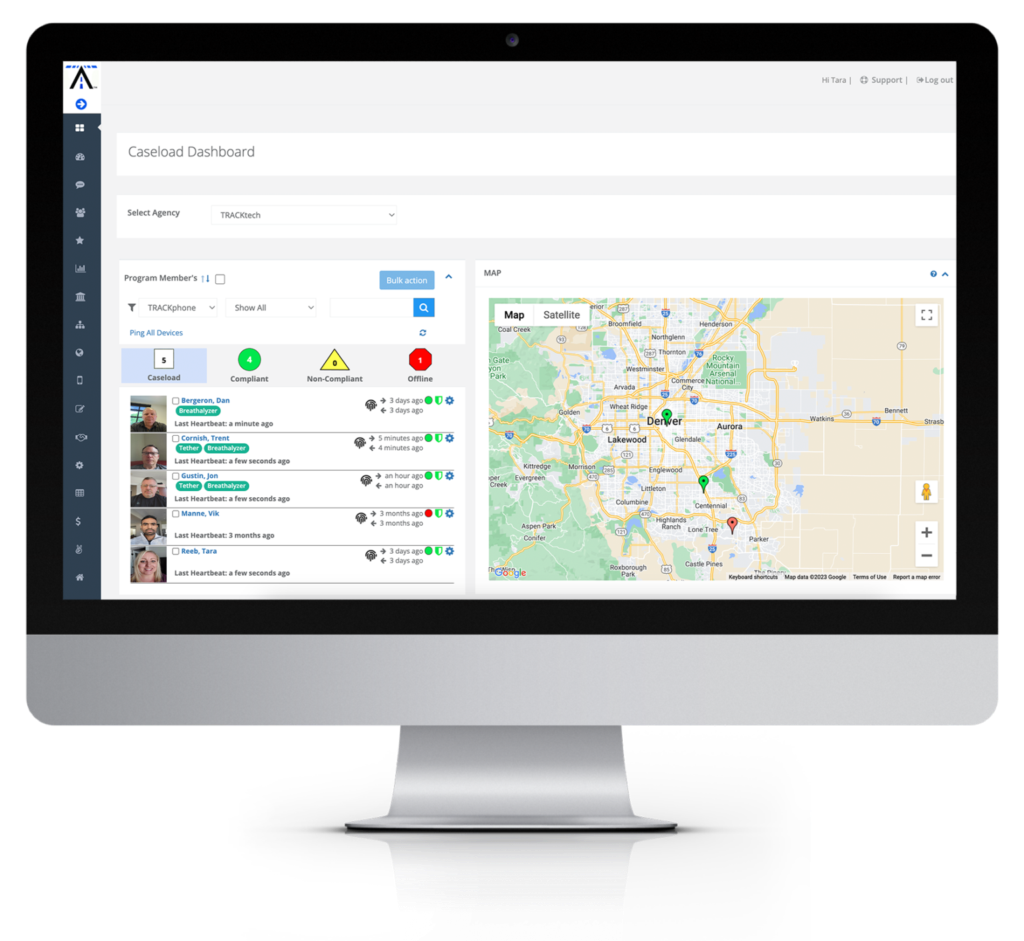
TRACKtech built its platform around the daily realities of community supervision. The
goal is not to add a system. It is to give supervision teams one cleaner operating rhythm
across the parts of the job that create the most drag: participant communication,
reminders, check-ins, documentation, and visibility between appointments.
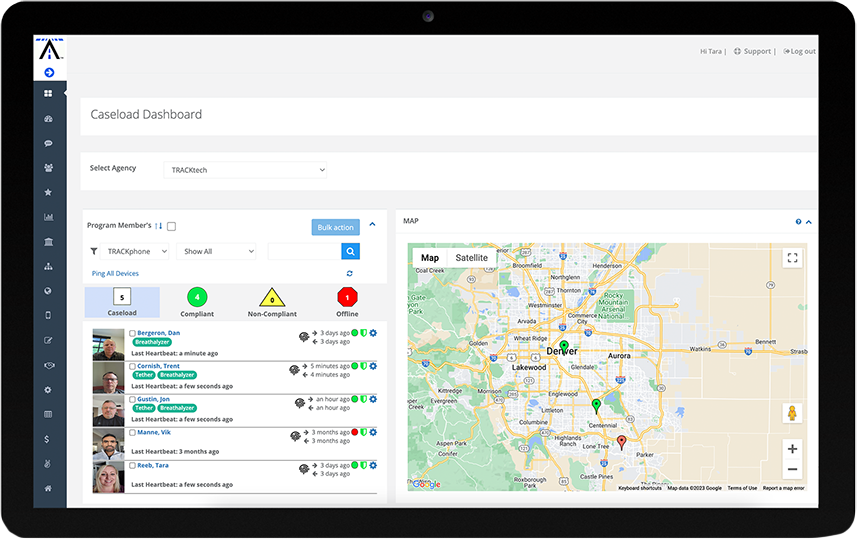
Real-time compliance monitoring gives officers immediate visibility into behavior.
Location tracking, check-ins, and alerts provide accurate information without constant
manual oversight. Officers can respond to issues before they escalate and recognize
positive patterns when they appear. Automated workflows handle appointment
reminders, scheduled check-ins, and documentation updates in the background, giving
officers that time back for conversations that actually move outcomes.
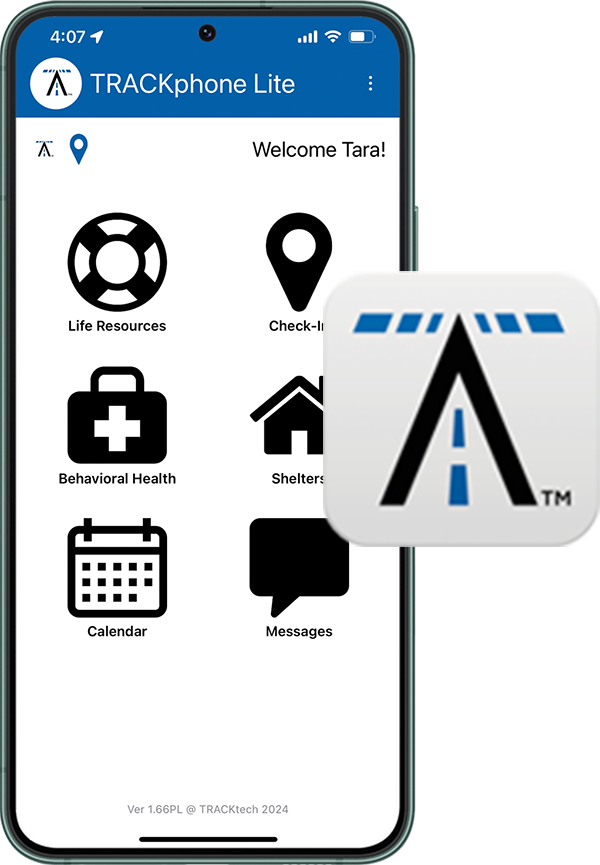
On the participant side, TRACKtech integrates tools that help individuals stay engaged
in their own progress. Behavioral assessments identify key risk factors. Structured
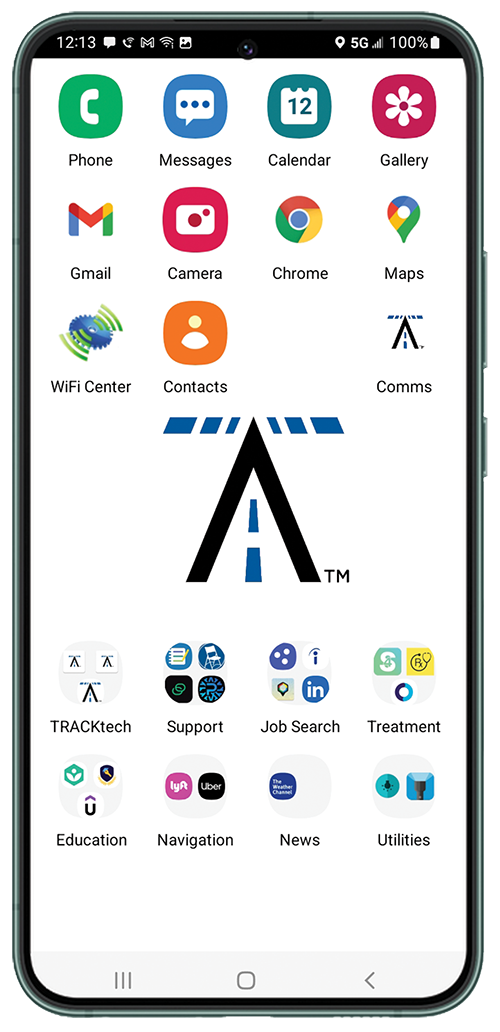
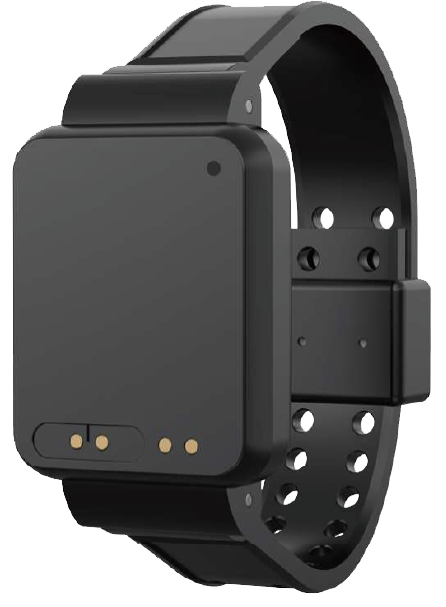
communication keeps individuals connected to their supervision plan. Mobile and
wearable options provide a way to stay connected without unnecessary stigma. An
officer can check in by video when travel creates barriers, a reminder can prompt
someone to attend a counseling session, and a notification can flag a potential issue
before it becomes a violation. Each consistent interaction builds the trust that
rehabilitation depends on.
Systems that focus only on enforcement miss the chance to guide change. Systems
that focus only on support miss the structure that accountability requires. Community
corrections needs both.
The right operating model helps agencies stay firm, stay clear, and stay engaged
without forcing staff to carry more administrative weight than the job already demands.
That is the future worth building toward: less wasted motion between the moment
something happens and the moment an officer can do something useful about it.
Your officers did not get into this work to chase missed calls and clean up documentation at 6 PM. They got into it to change outcomes. If that part of the job is getting squeezed and for most agencies it is, that is not a staffing problem. It is a workflow problem. And workflow problems are fixable.
You do not need a 12 month implementation or a department wide overhaul to feel the difference. Pick one cohort. Run it with less friction. Watch what your officers can actually do when the administrative drag is cut in half.
TRACKtech can show your team exactly what that looks like in a single, no pressure demo built around your caseload, your pain points, and your people.
See it working before you commit to anything.
Schedule Your Free Demo. Most teams walk away with at least one workflow fix they can use immediately, whether they move forward or not.


TRACKtech LLC
6295 Greenwood Plaza Blvd, Ste 100
Greenwood Village, CO 80111